If you are thinking about living in Santa Monica, the home itself is only part of the story. In a city with three miles of coastline, a compact 8.3-square-mile footprint, and a daytime population that swells far beyond its roughly 93,000 residents, your block can shape your routine just as much as your floor plan. Understanding how housing style connects to daily life can help you choose a home that fits the way you actually want to live. Let’s dive in.
How Santa Monica’s Layout Shapes Lifestyle
Santa Monica packs a lot into a small area. Beach access, downtown activity, neighborhood shopping streets, and residential pockets all sit close together, but they do not feel the same from block to block.
In general, homes closer to the beach, Downtown Santa Monica, and major commercial corridors tend to feel more active and amenity-rich. Areas that sit a little farther from the visitor core often feel more residential, with a quieter daily rhythm and a stronger sense of neighborhood routine.
Mobility also plays a big role in everyday life here. The city emphasizes walking, biking, transit, micromobility, and first-last mile connections, and the Metro E Line reaches Downtown Santa Monica at Fourth and Colorado, just two blocks from the Third Street Promenade and Santa Monica Place.
Beach-Adjacent Condos and Apartments
Beach-adjacent condo and apartment living is one of the most recognizable Santa Monica housing experiences. This style is especially common south of Montana Avenue and west of Seventh Street, near Palisades Park and the central business district, where late-1920s and early-1930s apartment-hotels and high-rise apartments were built in Spanish Colonial Revival and Art Deco styles.
In these areas, the appeal often goes beyond square footage. Ocean views, balconies, and a more urban street edge can matter just as much as the interior layout, especially if you want your home to feel closely tied to the coastline and city energy.
Daily life in this setting tends to feel active and convenient. You may be close to bluff-top paths, the Santa Monica Pier, Ocean Avenue, the Promenade, and Santa Monica Place, which makes it easy to build the beach and downtown amenities into your routine.
The tradeoff is usually pace. Beachfront and downtown-adjacent blocks often come with more visitor traffic and a busier atmosphere, which can be great if you want energy around you but less ideal if your top priority is a quiet residential feel.
What Beach Condo Living Feels Like
On the north side of the beach, access often happens through bridges, walkways, and stairs because the beach sits below the bluff and Pacific Coast Highway. On the south side, the beach is level with the city, which can make access feel more direct.
For many buyers, that means mornings can start with a walk along the sand or a bike ride near the water. The Ocean Avenue corridor also stands out because the city added a protected two-way bikeway and expanded sidewalk space, making the connection between the beach and nearby destinations easier to use without relying as much on a car.
Courtyard Buildings and Bungalow Courts
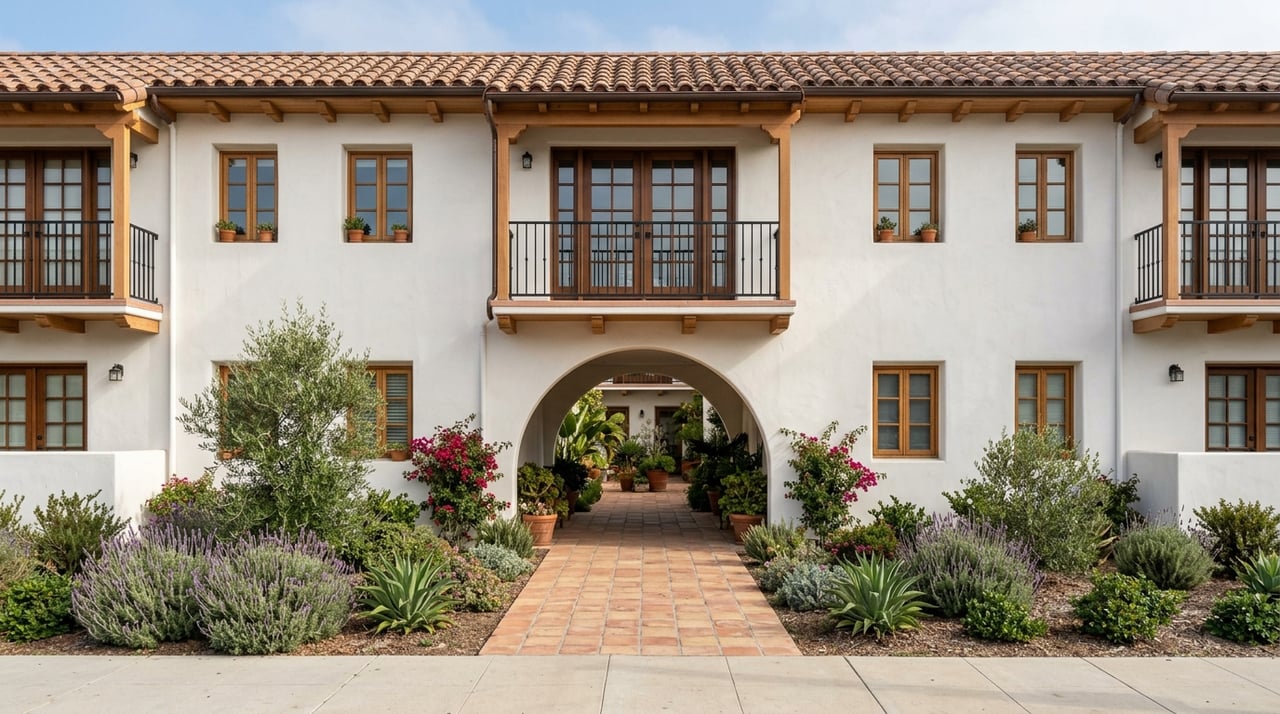
If you like architectural character and a more tucked-in feel, Santa Monica’s courtyard buildings and bungalow courts offer a different kind of lifestyle. These housing forms were developed primarily between 1915 and 1930, and they remain one of the city’s most distinctive residential patterns.
This style tends to feel quieter than a tower and more communal than a detached home. The courtyard acts as a transition between the street and the interior, which gives the property a private feel while still creating shared outdoor space where neighbors naturally cross paths.
Santa Monica’s preservation materials and historic districts show how important this housing type is to the city’s identity. Places like the San Vicente Boulevard Courtyard Apartments and the 11th Street Bungalow Historic District help illustrate the long-standing appeal of this design.
Why Buyers Like Courtyard Housing
For many people, courtyard living strikes a practical middle ground. You get more architectural personality and shared outdoor space than you might find in a more conventional apartment building, but without the upkeep that comes with a full private yard.
This can be a strong fit if you want your home to feel residential and connected to the neighborhood while still staying close to coastal amenities and everyday errands. In areas near Main Street and Ocean Park, this style often pairs well with a more local, less visitor-driven routine.
Bungalows and Beach Cottages
Santa Monica’s bungalows and beach cottages offer one of the most residential-feeling ways to live in the city. Small cottages and bungalows appear in Craftsman, Spanish Colonial Revival, and Mission Revival styles, while larger Craftsman homes were built north of Montana Avenue.
City historic materials note that tracts north of Montana and east of Seventh Street were developed for year-round residents. That helps explain why many of these blocks feel more porch-and-garden oriented than the beach-adjacent condo core.
If you are looking for a detached-home rhythm, this style often delivers it. The experience is usually more centered on porches, small yards, gardens, and quieter streets, while still keeping you close to neighborhood retail and coastal conveniences.
Where Bungalow Life Fits Best
Main Street and Ocean Park support a neighborhood-focused version of Santa Monica living. The Main Street Farmers Market runs on Sundays year-round and features about 40 certified California farms, along with live entertainment and local vendors, which adds to that weekly neighborhood rhythm.
Montana Avenue and the North-of-Montana area also read as calmer and more residential. Montana Avenue is known as a tree-lined, neighborhood-oriented street with independent boutiques and cafes, making it a natural fit for buyers who want a more settled daily pace with walkable errands built in.
Loft-Like Downtown Living
For the most urban routine in Santa Monica, downtown is the clearest fit. While city materials do not identify a single official loft district, the downtown and central business district around Third Street, Fourth Street, and Ocean Avenue is the strongest match for loft-like living.
This is where Santa Monica feels most walkable and transit-ready. The Metro E Line, the Third Street Promenade, Santa Monica Place, and the Downtown Farmers Market all sit within the same daily orbit, which can make car-light living more realistic than in other parts of the city.
Downtown’s farmers markets operate year-round on Wednesday and Saturday mornings. If you like the idea of stepping outside for coffee, groceries, shopping, dining, or transit without planning a drive, this part of Santa Monica offers that convenience in a very direct way.
The Main Downtown Tradeoff
The same features that make downtown convenient also make it active. Third Street Promenade is a major shopping, dining, and entertainment destination just moments from the beach, so the area naturally draws residents, workers, and visitors throughout the day.
That means loft-like downtown living often works best if you value access and movement more than privacy and quiet. For some buyers, that is the ideal fit. For others, it makes sense as a lifestyle to compare against a more residential pocket before deciding.
Key Tradeoffs to Consider
In Santa Monica, the biggest decision often comes down to activity versus quiet. Downtown and beach-adjacent locations usually offer the fastest access to restaurants, shopping, transit, and the shoreline, but they also tend to have more visitor traffic and a busier street feel.
The second major decision is shared space versus private space. Courtyard buildings can offer garden-like common areas and a sense of connection, while bungalows and cottages are more likely to give you a porch, a small yard, or a stronger detached-home feeling.
Parking is another factor worth weighing early. Santa Monica has residential parking permits and a large parking system, but the beach and downtown core are still the places where car ownership may feel least convenient on a day-to-day basis.
Matching Housing Style to Your Routine
The best Santa Monica home is often the one that supports your real daily habits. If you want the beach, biking routes, and downtown amenities close at hand, a condo near Ocean Avenue or the downtown core may feel like the right match.
If you want a softer, more neighborhood-oriented experience, a courtyard building near Main Street or Ocean Park may strike the right balance. And if your priority is a more residential block with porch-and-garden appeal, a bungalow or cottage near Montana Avenue or north of it may fit best.
Santa Monica offers variety in a relatively small footprint, which is part of what makes it so appealing. Once you know how each housing style connects to the rhythm of the city, it becomes much easier to focus your search and buy with confidence.
If you are exploring Santa Monica and want help narrowing down which blocks and housing styles fit your goals, Kyle Leibovitch can help you compare options with clear, local guidance.
FAQs
What housing styles are common in Santa Monica?
- Santa Monica commonly features beach-adjacent condos and apartment buildings, courtyard buildings and bungalow courts, bungalows and beach cottages, and loft-like spaces in the downtown core.
What is daily life like near the beach in Santa Monica?
- Beach-adjacent living often means quick access to the sand, bluff-top paths, the pier, Ocean Avenue, and downtown amenities, along with a more active, visitor-facing atmosphere.
What makes courtyard buildings in Santa Monica different?
- Courtyard buildings usually feel more private than larger multifamily buildings but more social than detached homes because they center around shared garden or court spaces.
Where can you find a more residential feel in Santa Monica?
- Areas around Main Street, Ocean Park, Montana Avenue, and north of Montana tend to feel more neighborhood-oriented and residential than the downtown and beach core.
Is downtown Santa Monica a good fit for car-light living?
- Downtown Santa Monica is one of the city’s strongest areas for car-light living because it offers access to the Metro E Line, shopping, dining, and year-round farmers markets within a walkable area.