Thinking about selling a luxury home in Pacific Palisades and unsure where to start on price? You’re not alone. The Palisades is a micro-market where ocean views, privacy, lot shape, and renovation quality can swing values by millions. In this guide, you’ll learn a clear, Palisades-specific approach to comps, competitive banding, and how to position your home against new or newly renovated inventory so you can decide when to lead, match, or undercut. Let’s dive in.
Know the Palisades luxury market
Pacific Palisades offers a wide mix of property types and view tiers. Ocean-bluff estates, canyon retreats, gated compounds, and architect-designed homes sit within a few minutes of each other, which creates wide price dispersion. Buyers range from local Westside households to entertainment and tech executives, entrepreneurs, and some out-of-state or international clients.
Market velocity can shift faster at the high end. Recent years show more volatility than entry-level segments. You’ll often see fewer closed sales, longer time on market, and sensitivity to mortgage rate changes. New construction and high-end remodels have been active and can command a premium for turnkey condition and modern systems.
Timing still matters. Spring through early summer tends to be the most active selling window, while late fall and winter are usually quieter. Your price should reflect both current competition and seasonality.
Build a smarter comp set
Expand the time window
Luxury markets have fewer direct comps. Look back 6 to 24 months for closed sales, weighting the most recent activity more heavily. In slower periods, extend your window but note how the market has moved since those sales.
Filter for what buyers value
Go beyond price per square foot. Filter for view tier (ocean, bluff, canyon, city), lot size and usability, privacy or gated access, renovation level, permitted living area and guest units, pool and outdoor living, parking, and indoor-outdoor flow. Small differences in amenities can drive big price gaps.
Weigh condition over simple math
Price per square foot can mislead when finish level, ceiling heights, glazing, and systems vary. Make qualitative adjustments for features like a turnkey kitchen, a reimagined primary suite, a permitted guest house, or a bluff-edge setting. Keep adjustments conservative and tie them to recent local examples when possible.
Include active, pending, expired, and private sales
Closed sales show what buyers have paid. Active and pending listings show current competition and pricing psychology. Expired and withdrawn listings reveal overpricing thresholds. Off-market or pocket deals matter at the high end, so incorporate verified private sales where possible.
Plan for appraisal realities
Appraisers and lenders can be conservative in the luxury segment. If your list price pushes beyond recent appraisals, you risk an appraisal gap and deal friction. Consider a pre-list appraisal or broker price opinion to reduce appraisal risk, even if you expect a cash buyer.
Use competitive banding to price where buyers shop
Competitive banding groups the market into clear price ranges that reflect buyer expectations in the Palisades. Each band should map to features that buyers reasonably expect at that level.
Consider building bands like these, then tailor to current inventory:
- Ocean-bluff or panoramic-view homes that are turnkey with 4 to 6 bedrooms and a pool.
- Large-lot gated estates with extensive landscaping and superior privacy.
- Contemporary spec or newer builds with modern systems, smart-home features, and showpiece kitchens.
Your goal is to identify the band where your home competes on day one, then position its unique strengths within that band.
Position against new and renovated inventory
New construction and high-end remodels often earn a premium. Buyers pay more for modern floor plans, warranties, permits, and updated mechanicals.
If your home is older, you have three clear options:
- Compete on price. List below comparable new builds to attract buyers who are open to renovation.
- Compete on character. If the home’s architecture or provenance is rare and desired, price closer to renovated comps and market the story with care.
- Market to builders or developers. Emphasize lot utility, floor-area potential, and any permitted additions that can streamline future work.
When a new spec home sits in your exact band, present a clear value case. Highlight advantages like a larger or more usable lot, permitted ADU, superior privacy, or lower site work costs. If those advantages are limited, price to compensate for the new-home premium.
Lead, match, or undercut: picking your strategy
When to lead
Lead when your home has verifiable scarcity and you’re not time constrained. Examples include rare bluff-edge parcels with documented development rights or landmark architecture by a known designer. Support the ask with a tight comp set and recent record sales in the immediate area.
When to match
Match when the market is balanced and your home aligns closely with recent comps. This approach attracts qualified buyers quickly and preserves some room to negotiate.
When to undercut
Undercut when the market is slow, active competition is heavy, or you need to catalyze a fast sale. A strategic low entry price can drive showings and create a competitive process. Use caution in luxury segments, since aggressive underpricing can signal distress and draw unqualified traffic.
Execute with a 30 to 45 day plan
Before launch, run a sensitivity analysis that maps list prices to expected net proceeds and time to sell. Tie your pricing to a clear marketing cadence. A higher price requires focused, high-touch outreach. An aggressive price benefits from immediate broad exposure and timed events like broker opens.
Define threshold triggers. For example, if you see fewer than a set number of qualified showings or no offers after a set number of days, execute a single meaningful adjustment rather than multiple small cuts.
Manage reductions and re-listing
If you need a price change, preserve value perception with one well-planned move. If you withdraw and re-list later, consider real changes such as refreshed staging, targeted updates, new photography and video, or a shift to a different price band. In some cases, a selective off-market approach can create focused competition among qualified buyers.
Non-pricing factors that move the needle
Presentation that signals value
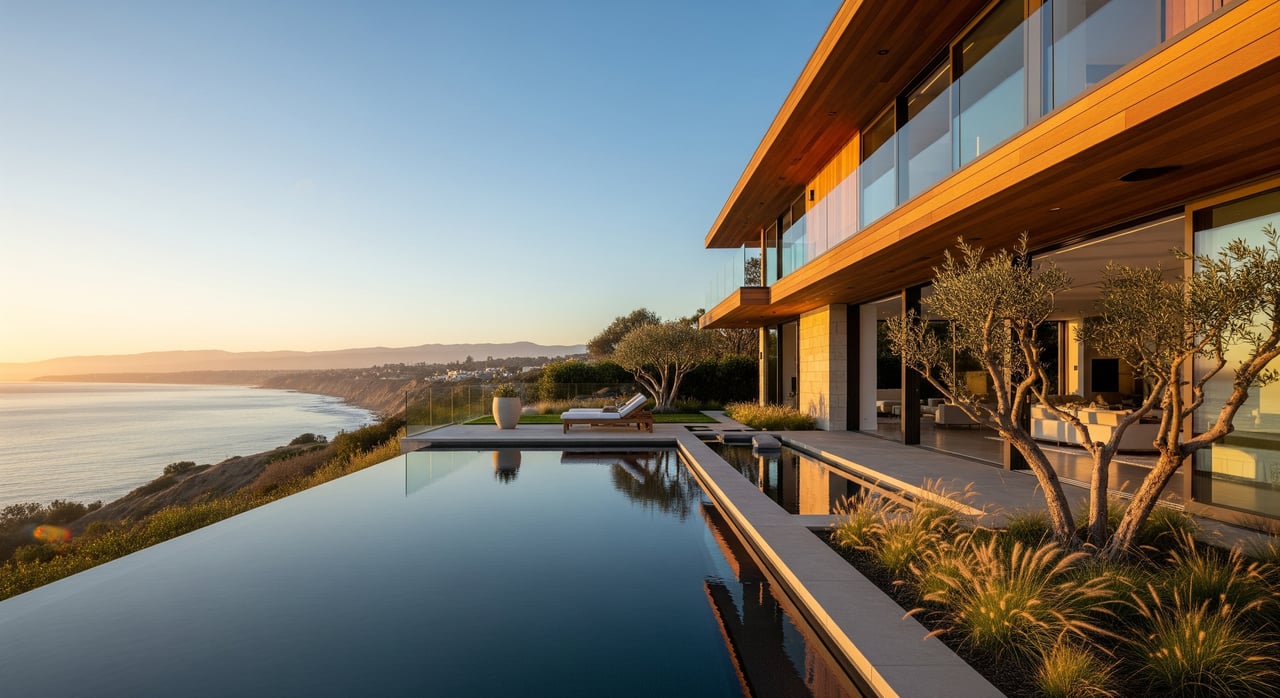
Turnkey condition, well-functioning mechanicals, and curated outdoor spaces improve buyer response. Targeted updates like lighting, paint, and a primary suite refresh can punch above their cost. Professional photography, drone work, twilight shots for view properties, floor plans, and detailed amenity lists are essential.
Marketing that reaches real buyers
Pair pricing with distribution. Use targeted outreach to top local brokers, private events, and high-end digital channels aimed at qualified audiences. Depending on the property and seller priorities, a selective off-market period can preserve privacy and focus attention, though it may limit broad comparison.
Contract terms that sweeten the deal
At the high end, terms can matter as much as price. Flexible closing timing, potential rent-back, or clarity around permitting and disclosures can help keep a deal together. Anticipate appraisal gaps and discuss strategies such as credits or pre-negotiated thresholds.
Disclosures, permits, and coastal rules in LA
California requires thorough disclosures, including natural hazard reports and any known defects or unpermitted work. Documented, permitted improvements add value and confidence. In the Palisades, confirm permit history and any coastal or hillside considerations with the appropriate city and state agencies before launch and communicate the status to buyers.
A simple pre-list checklist
- Gather permits, contractor records, and a room-by-room improvements list.
- Order a pre-list appraisal or broker price opinion to inform range.
- Assemble a comp book that includes closed, active, pending, expired, and known private sales with your adjustment notes.
- Choose your strategy: lead, match, or undercut, with a 30 to 60 day action plan and fallback options.
- Prepare premium marketing assets: photo, video, drone, 3D tours, and floor plans.
- Time the launch for seasonality if your schedule allows, and coordinate targeted outreach.
- Track showings and feedback, and be ready to adjust at pre-set checkpoints.
Pricing a luxury home in Pacific Palisades is part science, part strategy. When you blend a rigorous comp process with smart banding and clear positioning against newer inventory, you give qualified buyers a compelling reason to act. If you want a tailored plan for your property, connect with Kyle Leibovitch for a private, data-driven consultation.
FAQs
What makes pricing Pacific Palisades luxury homes different?
- Inventory is highly varied by view, lot, privacy, and condition, so price per square foot alone is unreliable and comps often require broader time windows.
How far back should I look for comps in the Palisades?
- Use 6 to 24 months depending on market speed, and weight the most recent sales more heavily while adjusting for market movement.
Should I price my older home near new construction comps?
- Only if your home offers rare architectural value or superior lot and privacy; otherwise, price below new builds or frame a clear renovation value case.
When is it smart to lead with a higher list price?
- Lead when your home has verifiable scarcity, you have time to test demand, and nearby results show upward pressure at the top end.
How do I plan price adjustments without hurting perception?
- Set measurable showing and offer targets before launch, then make one meaningful adjustment if needed rather than several small cuts.
What non-price steps can boost my result?
- Focus on presentation, premium marketing assets, targeted broker outreach, and clean permit and disclosure packages to reduce friction and build buyer confidence.